

Finding a good nursery is often the first school decision new families face in Kigali. This page explains the main nursery schools in Kigali: early years sections at international schools, bilingual settings and private nurseries and daycare centres. We cover starting ages, published 2026/27 fees and the questions to ask on a visit. We share sourced facts only and do not rank nurseries.
Access to early learning is still limited nationally: UNICEF reports that only 18% of children between ages 3 and 6 in Rwanda have opportunities to attend pre-school programmes, day care or other early learning facilities. In Kigali, though, families have more choice than elsewhere, especially in residential areas such as Kimihurura, Nyarutarama, Kibagabaga, Kacyiru and Kicukiro.
Types of early years settings
| Setting | Typical ages | What to expect |
|---|---|---|
| Daycare centre | From infancy | Care-focused, flexible hours, often full day |
| Private nursery | About 2 to 6 | Play-based learning, half or full day, local or international approach |
| International school early years | From 3 or 4 | Structured curriculum linked to the school's primary section |
| French maternelle | 3 to 6 (PS, MS, GS) | French national programme, leading to CP |
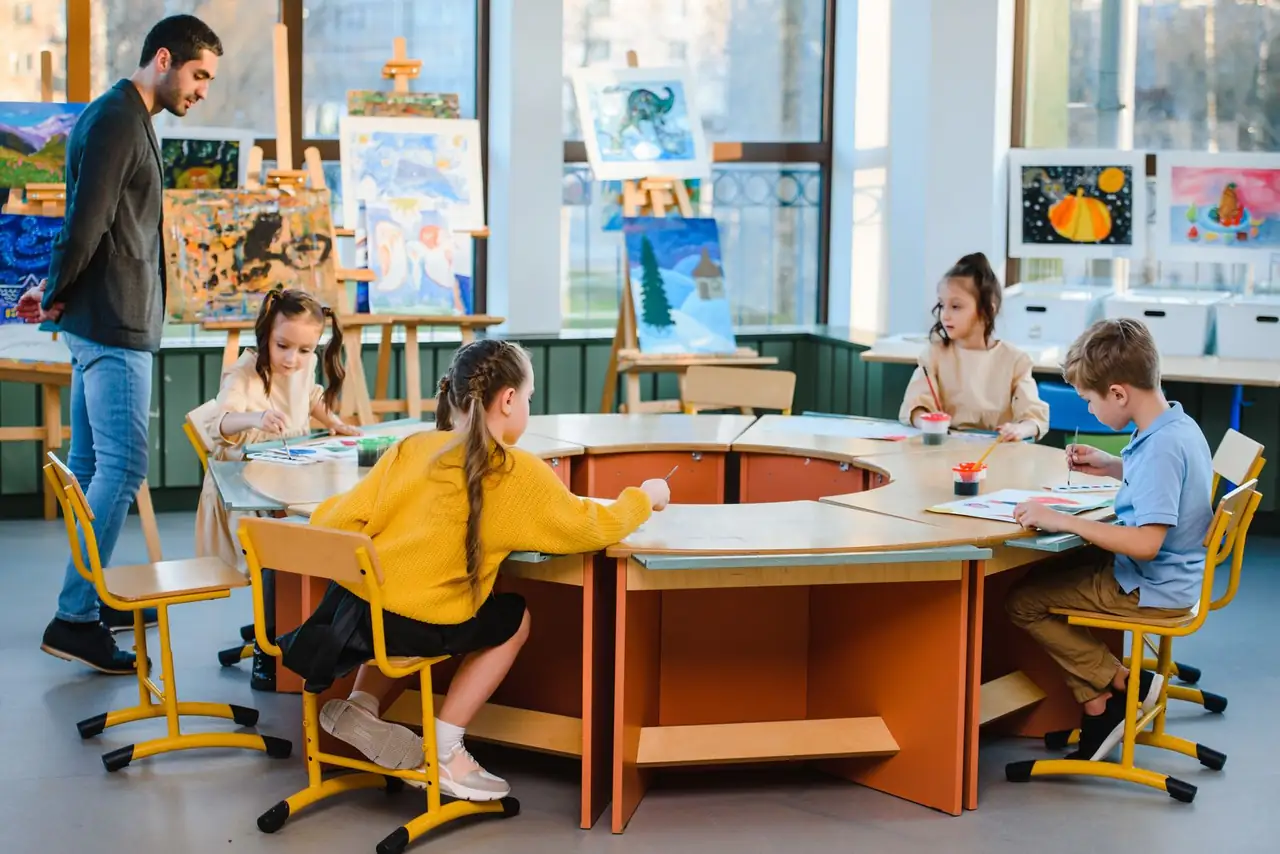
Early years at international schools
These schools publish facts about their early years sections. The list is alphabetical and not complete.
- Acorns International School Kigali: a Cambridge continuum from birth, starting with Cambridge Early Years (doris.school profile).
- Bright Angels International School (BAIS): bilingual English and French, from daycare through lower secondary, in Nyarutarama (doris.school profile).
- EFASE (French school): three maternelle years: Petite Section from 3, Moyenne Section from 4 and Grande Section from 5, by 31 December of the school year. Children must be toilet trained for Petite Section. No entry test.
- Green Hills Academy: IB Primary Years Programme from Nursery 1, with half-day and full-day options.
- International School of Kigali (ISK): Pre-K from age 4 and Kindergarten from 5, by 1 September of the enrolment year.
- Wellspring Academy Kigali: Cambridge International education from age 3 (doris.school profile).
See our curriculum guides for more on IB schools and French schools in Kigali.
Nursery fees: published examples for 2026/27
| Setting | Annual fee | Notes |
|---|---|---|
| EFASE maternelle | RWF 3,934,861 (French and Rwandan nationals) / RWF 5,114,484 (others) | Plus RWF 100,000 supplies and lunch at RWF 2,900 per meal |
| Green Hills Academy early years | From RWF 3,820,000 (half day, Rwandan rate) | Full day and non-Rwandan rates are higher |
| ISK Pre-K | USD 8,098 plus USD 500 capital levy | Kindergarten is USD 16,604 plus USD 1,000 |
| Private nurseries and daycare | Contact us for a current quote | Range is wide; one Kigali nursery charged RWF 900,000 per term in August 2026 |
For one-off fees and extras such as transport and uniforms, see our school fees guide.
What to look for on a nursery visit
Use this checklist when you visit:
- Is the setting clean, safe and secure, with a controlled entrance and fenced outdoor space?
- How many adults are with each group of children, and are staff trained in first aid?
- What does a typical day look like: play, rest, meals, outdoor time?
- What language do staff speak with the children, and how do they support children new to English or French?
- Are meals cooked on site, and how are allergies handled?
- What are the hours, and is there care during school holidays?
- How are parents updated: daily notes, an app, regular meetings?
- What is the settling-in process for the first week?
- What are the rules on illness, medicines and collection by other adults?
Half day or full day?
Many early years programmes offer both. Half day suits younger children and families with a parent or nanny at home. Full day suits working parents but costs more: at Green Hills Academy, for example, the published full-day early years rate is higher than half day. Ask about lunch and nap arrangements for full-day children.
Thinking ahead to primary school
If you plan to stay in Kigali for several years, think about where your child will go after nursery. Starting in an international school's early years can give continuity into its primary section, though places are not always guaranteed. If you choose a stand-alone nursery, start looking at primary schools a year ahead. Our admissions guide explains timelines, and our relocation guide covers housing near schools.
Settling in at nursery
The first weeks can be emotional for children and parents. Ask whether you can stay for part of the first days, start with shorter sessions, and bring a familiar comfort object. Clear goodbyes usually help more than slipping away.
How we help families with young children
- We ask about your child's age, languages, routines and any needs.
- We suggest settings that match your hours, area and budget.
- We help you plan visits and compare answers.
- We link nursery choice to longer-term school plans, so you avoid a second difficult move later.
Ask for nursery options near you
Use the form on this page to tell us your child's age, your area of Kigali, preferred hours and budget. We will reply with nursery and early years options that fit, and the next steps to secure a place.
Frequently asked questions
From what age can my child start nursery in Kigali?
It depends on the setting. Acorns International School Kigali describes learners from birth and Bright Angels International School takes children from daycare age, per their doris.school profiles. EFASE starts Petite Section at 3, and the International School of Kigali starts Pre-K at 4.
How much does nursery cost at an international school in Kigali?
Published 2026/27 examples: EFASE maternelle costs RWF 3,934,861 a year for French and Rwandan nationals and RWF 5,114,484 for others; ISK Pre-K costs USD 8,098 plus a USD 500 capital levy; Green Hills Academy half-day early years starts at RWF 3,820,000 at the Rwandan rate.
Are private nurseries cheaper than international schools?
Often, but the range is wide. A KT Press review of 25 schools' term lists in August 2026 found the highest fee was RWF 900,000 per term at a Kigali nursery. Compare hours, meals and holiday cover, not only the fee.
Does my child need to be toilet trained?
Some schools require it. EFASE states that children entering Petite Section must be toilet trained and able to go to the toilet alone. Other nurseries and daycare centres have their own rules, so ask each one before applying.
Is there an entrance test for nursery?
Usually not. EFASE runs no entry test for its three maternelle years, allocating places by availability, filing date and priority rules. Other schools may hold a short play-based visit or meeting with parents to understand the child's needs and language.
Which curriculum do early years programmes follow?
It varies. IB schools use the Primary Years Programme from age 3, Cambridge schools may use Cambridge Early Years from age 3, French schools follow the maternelle programme, and American schools run Pre-K and Kindergarten. Many local nurseries follow their own play-based approach.
Does nursery choice affect primary school entry?
It can. Starting in a school's early years often gives continuity into its primary section, although places are usually still subject to availability. If you already know which primary school you want, ask how its early years children move up.